Music practice and music rehearsal often confuse many musicians. Both improve performance, yet they serve different goals. Understanding them helps musicians grow faster and perform better. Practice builds personal skill. Rehearsal builds group performance. Each plays a unique role in music success.
This guide explains seven clear differences. It uses simple ideas for easy understanding. You will also improve your music training approach.
1. Focus of Activity
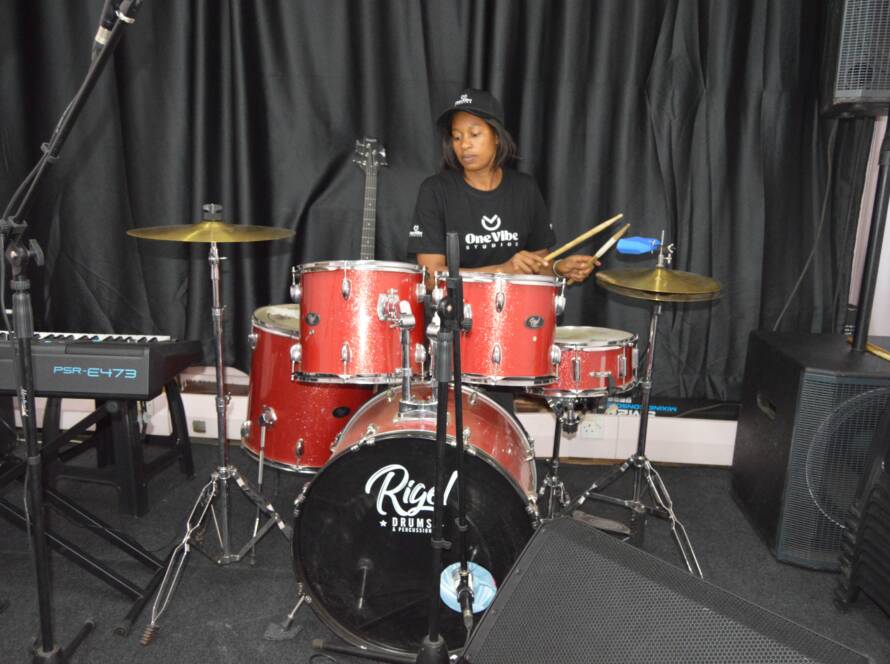
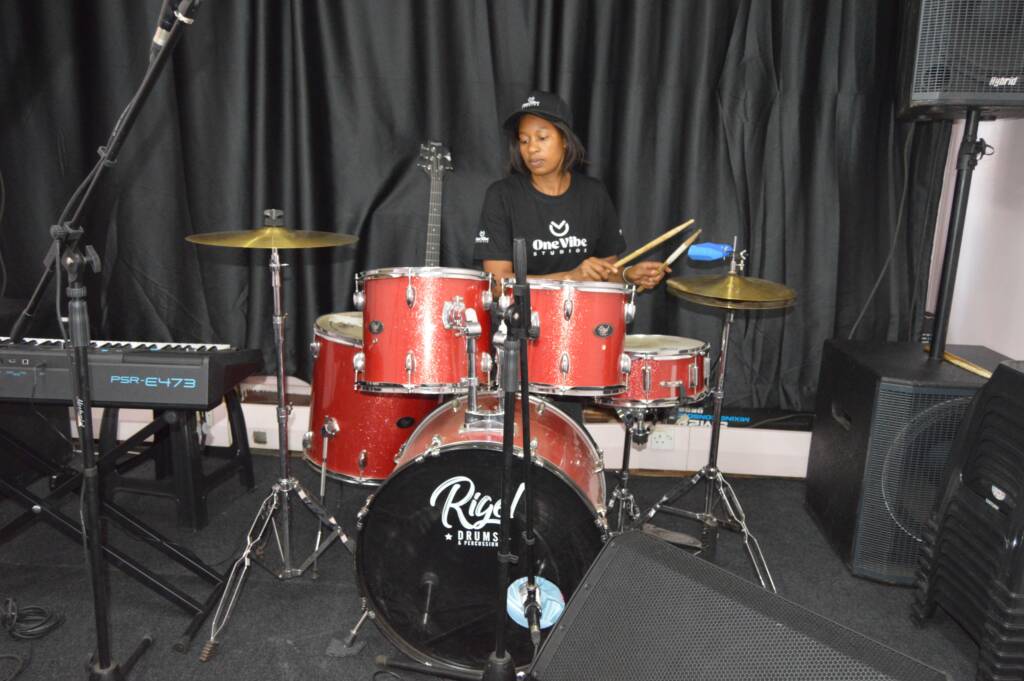
Practice focuses on the individual musician. You work alone on your instrument or voice. You fix mistakes and improve weak areas.Rehearsal focuses on the group. Musicians play together as one unit. Everyone works toward a shared performance goal.Solo improvement drives practice forward. Collective harmony drives rehearsal forward.
2. Purpose and Goal
Practice aims to build skill. A musician repeats exercises to improve technique. Accuracy and control matter most.
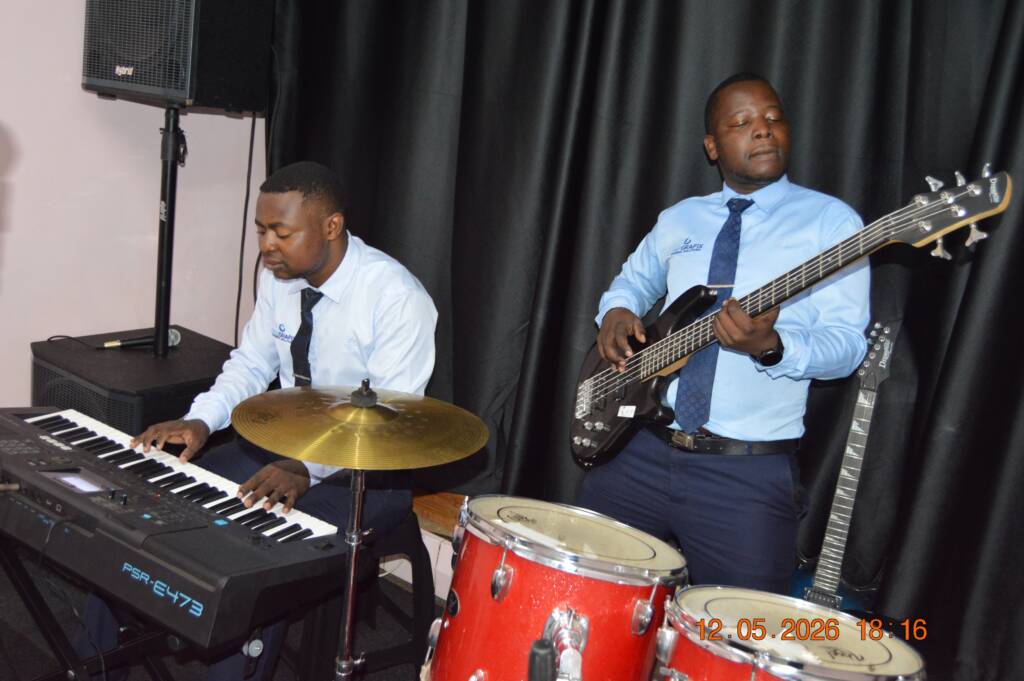
Rehearsal aims to prepare for performance. The group works toward a concert or show. Timing and coordination matter most.
Personal growth defines practice. Performance readiness defines rehearsal..
3. Environment and Setting
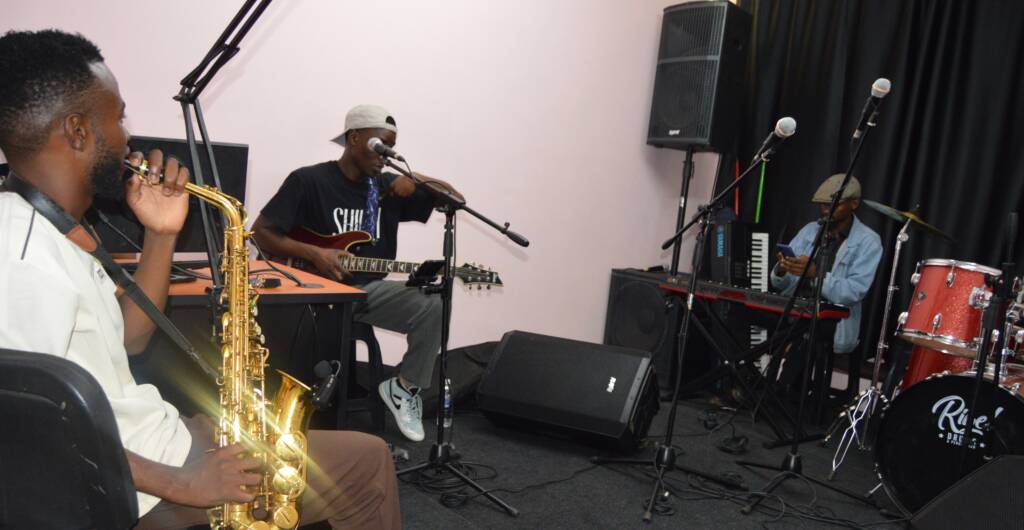
Practice usually happens in a private space. You may use a bedroom, studio, or practice room. Distractions stay low. Rehearsal happens in a shared space. Bands, choirs, or orchestras meet together. The environment feels more structured and active.Quiet control suits practice. Group energy suits rehearsal.
“Practice builds the musician alone, but rehearsal builds the music together—one perfects skill, the other perfects unity.”
Sir Clement Takundwa ( OneVibe Studiox)
4. Structure and Flexibility
Practice offers full flexibility. You choose what to play and how to improve. You can stop and repeat sections freely. Rehearsal follows a set structure. A leader or conductor guides the session. The group follows a planned order. Freedom defines practice sessions. Discipline defines rehearsal sessions.
5. Skill Development Type
Practice develops technical skills. You improve speed, accuracy, and tone. You also strengthen memory and control. Rehearsal develops coordination skills. Musicians learn to listen and adjust. Balance and timing become important. Individual mastery grows in practice. Group synchronization grows in rehearsal.
6. Error Handling and Correction
Practice allows slow correction. You stop often and fix mistakes. Repetition helps eliminate errors. Rehearsal focuses on flow. Mistakes get corrected quickly during group play. The performance must continue smoothly. Precision grows through practice. Consistency grows through rehearsal.
7. Outcome and Result
Practice results in personal improvement. You become a better musician over time. Skills become stronger and more refined. Rehearsal results in performance readiness. The group prepares for live shows or recordings. Confidence grows as a team. Individual excellence comes from practice. Stage success comes from rehearsal.
Why Both Matter in Music
Music success needs both practice and rehearsal. One builds skill. The other builds teamwork. Musicians cannot ignore either. Practice creates strong foundations. Rehearsal builds polished performances. Together, they produce professional results. Bands improve faster when members practice daily. Then rehearsals refine the group sound.
How Musicians Should Balance Both
Start with daily practice sessions. Focus on weak areas first. Use repetition to build control. Join rehearsals with preparation. Know your parts before group sessions. This saves time and improves results. Combine both routines weekly. This creates steady music growth. Progress becomes faster and more consistent.
Common Mistakes to Avoid
Many musicians only practice alone. They forget group coordination. This slows down performance quality. Others only attend rehearsals. They skip personal improvement. This leads to repeated mistakes. Balance prevents both problems. Equal attention improves overall performance.
Final Thoughts
Practice and rehearsal differ in purpose and method. Yet both remain essential in music training. Practice builds skill. Rehearsal builds unity. Musicians grow faster when they understand both roles. Strong practice leads to strong rehearsals. Strong rehearsals lead to great performances. Focus on both daily. Improve your technique and your teamwork. This approach creates confident and skilled musicians.